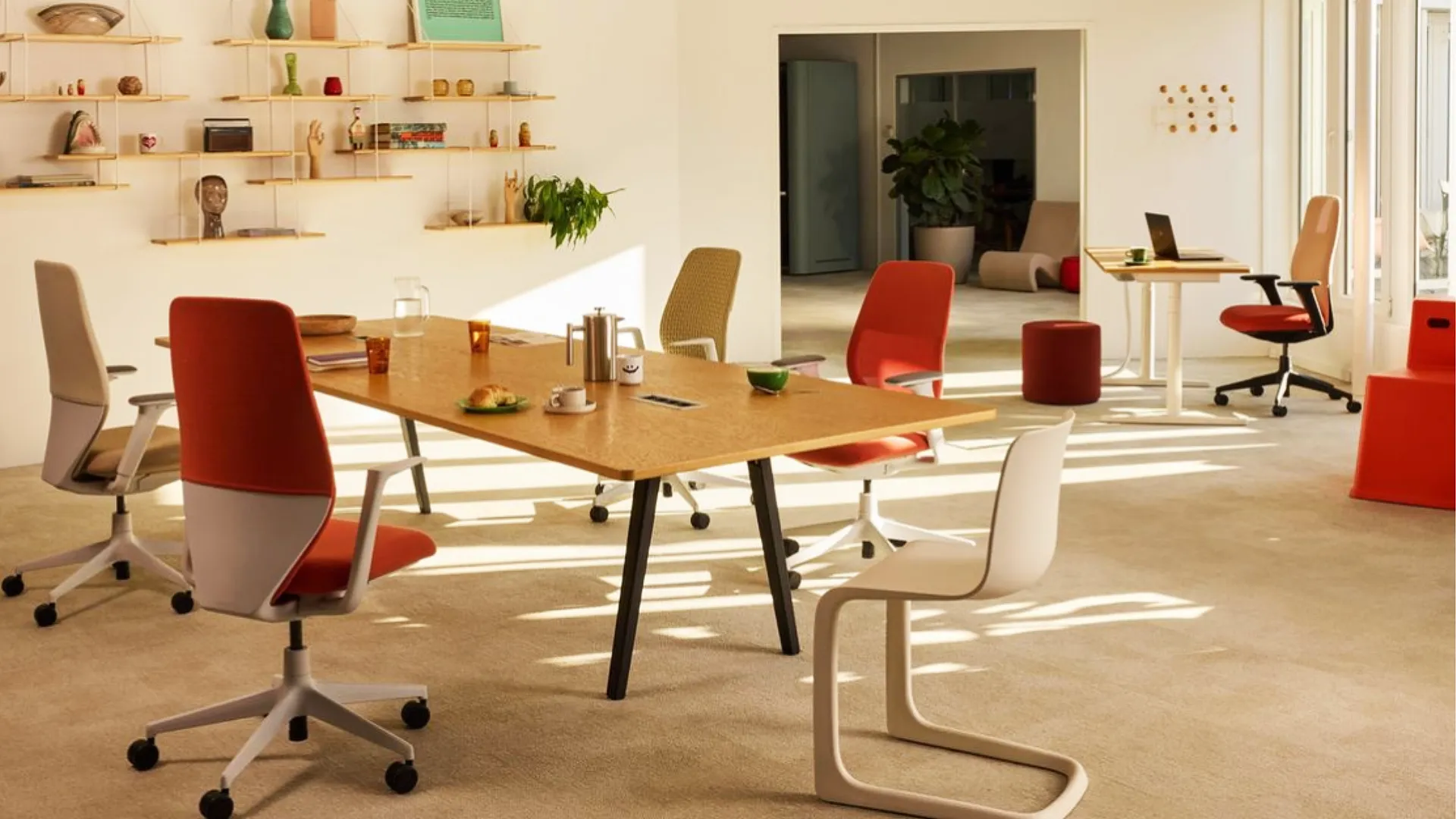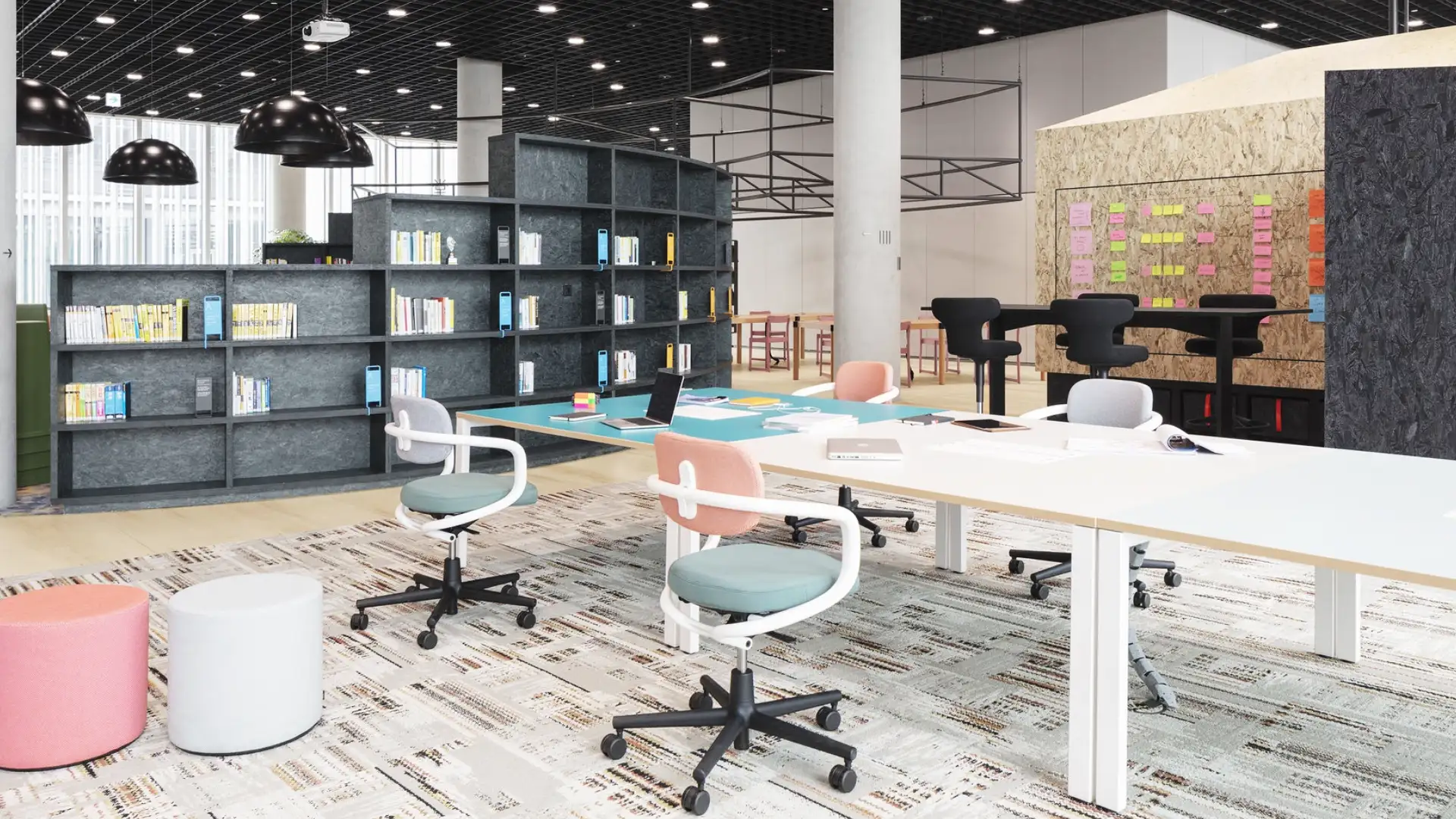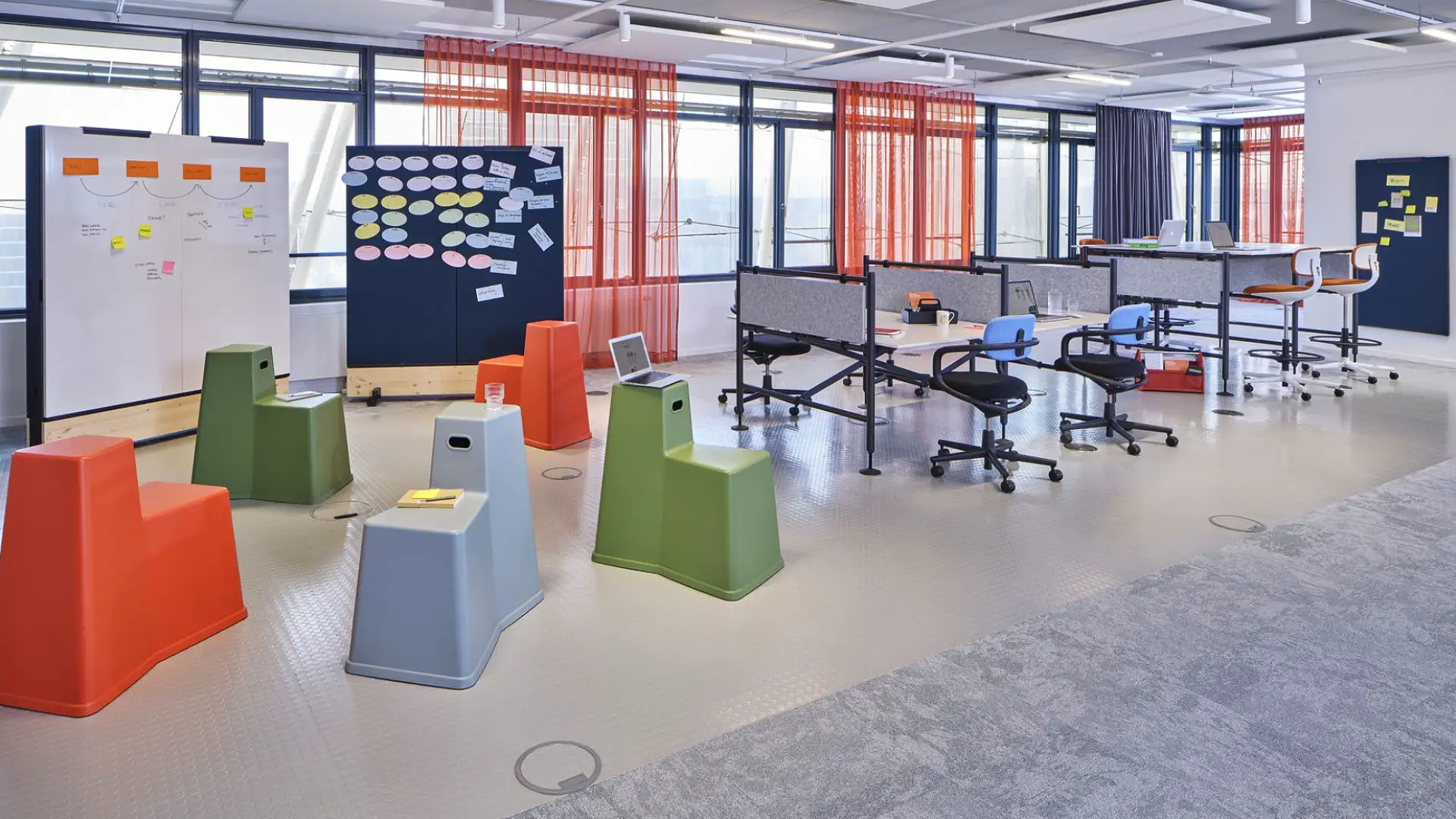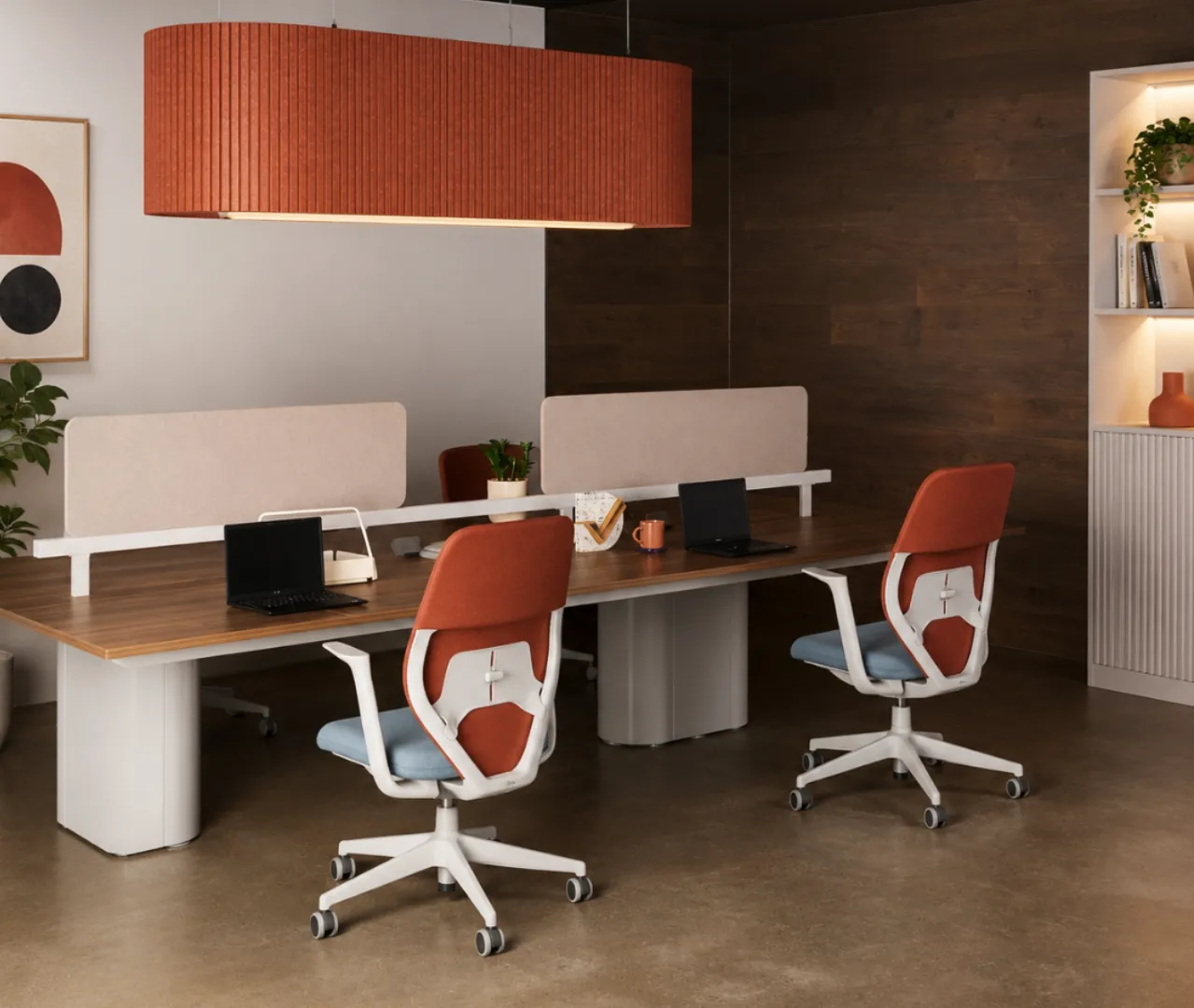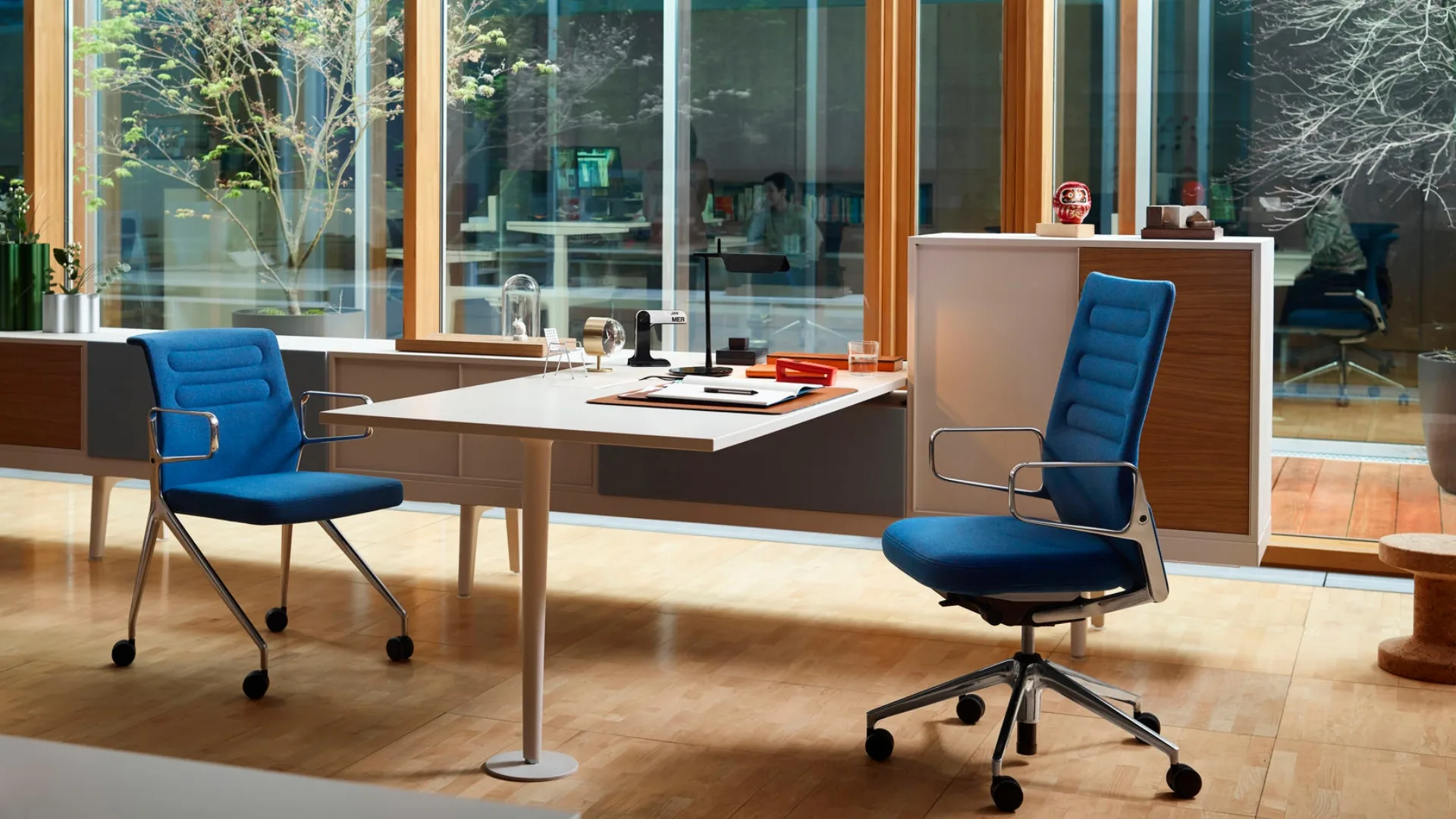
Corporate furniture has become a strategic tool in people management. Colors and finishes influence how the space is perceived, as well as well-being, visual identity, and employees’ connection to the organization.Research by Wellhub and Vittude reinforces the importance of the physical workplace as a means of promoting care, appreciation, and productivity.
In this context, furniture becomes an integral part of decisions related to organizational culture, employee experience, talent attraction and retention, directly contributing to the quality and performance of the corporate environment.
Welcoming: Furniture as a first impression
A sense of welcome begins before any verbal interaction, as it is also conveyed through the physical space. Within seconds, the environment communicates whether the company is organized, values its people, and has a well-defined identity.
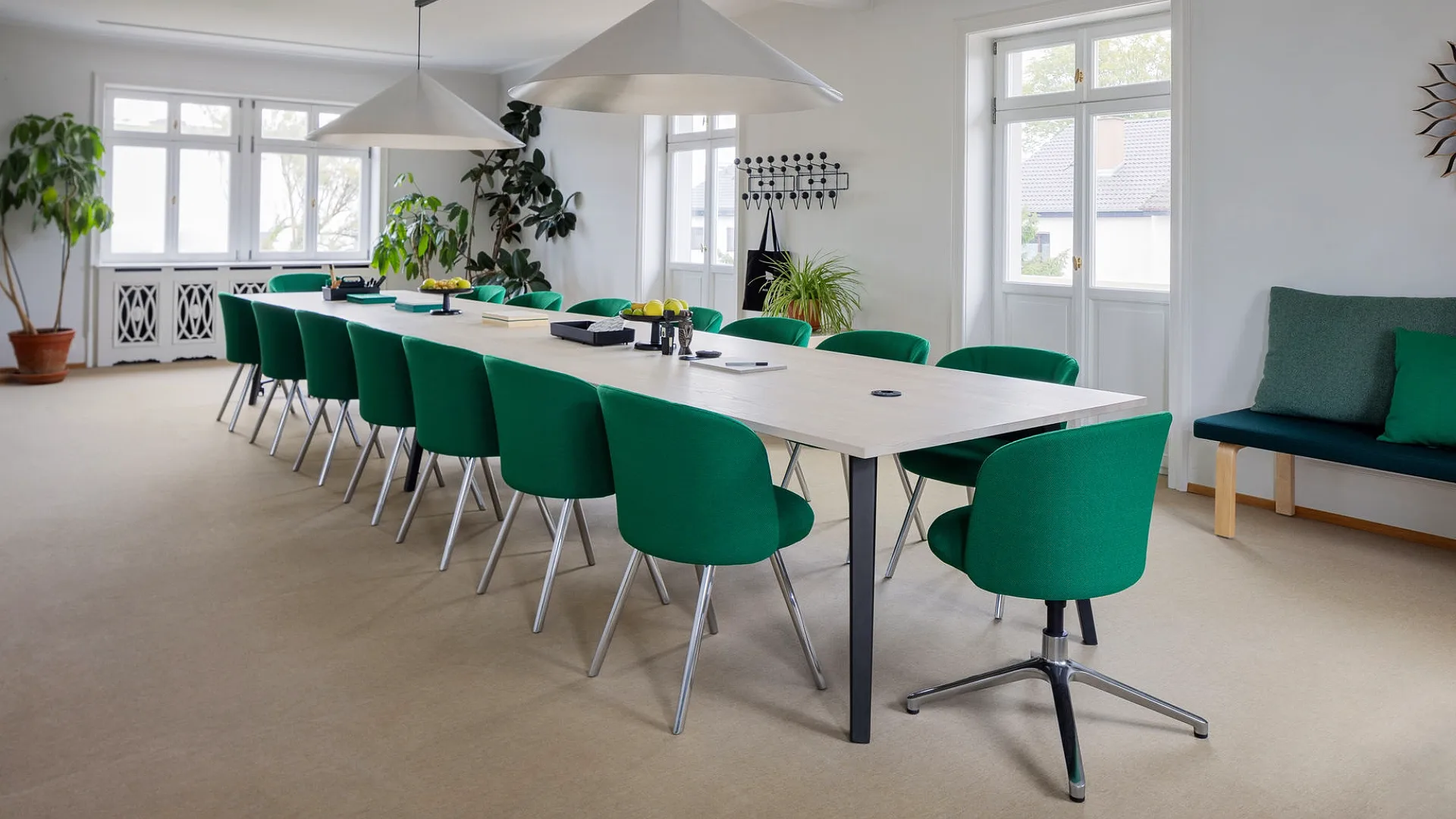
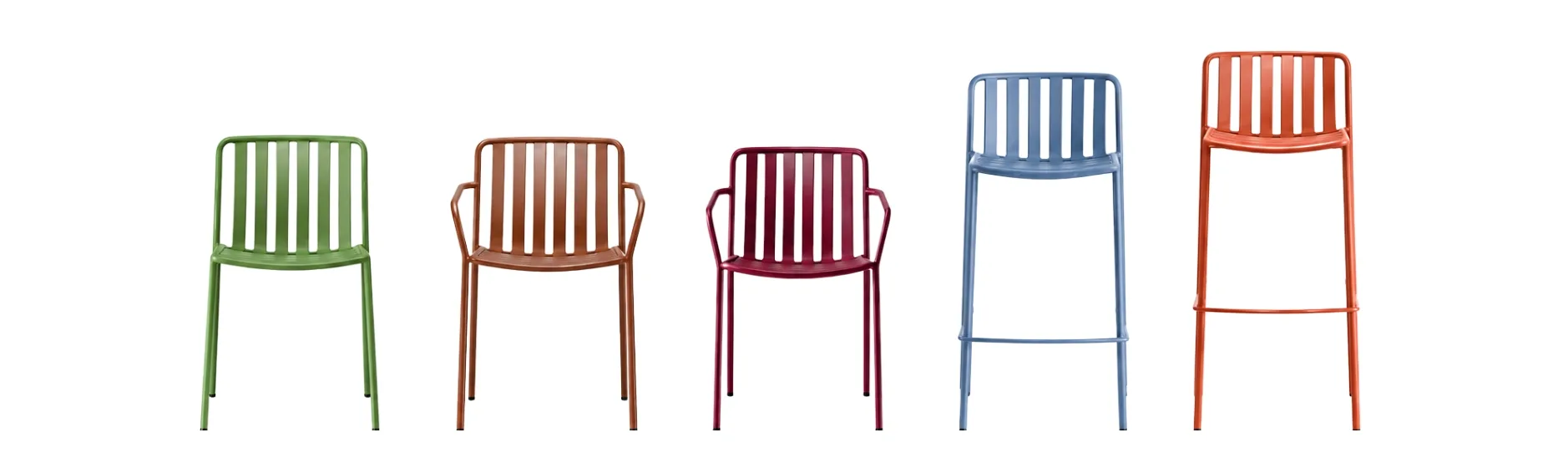
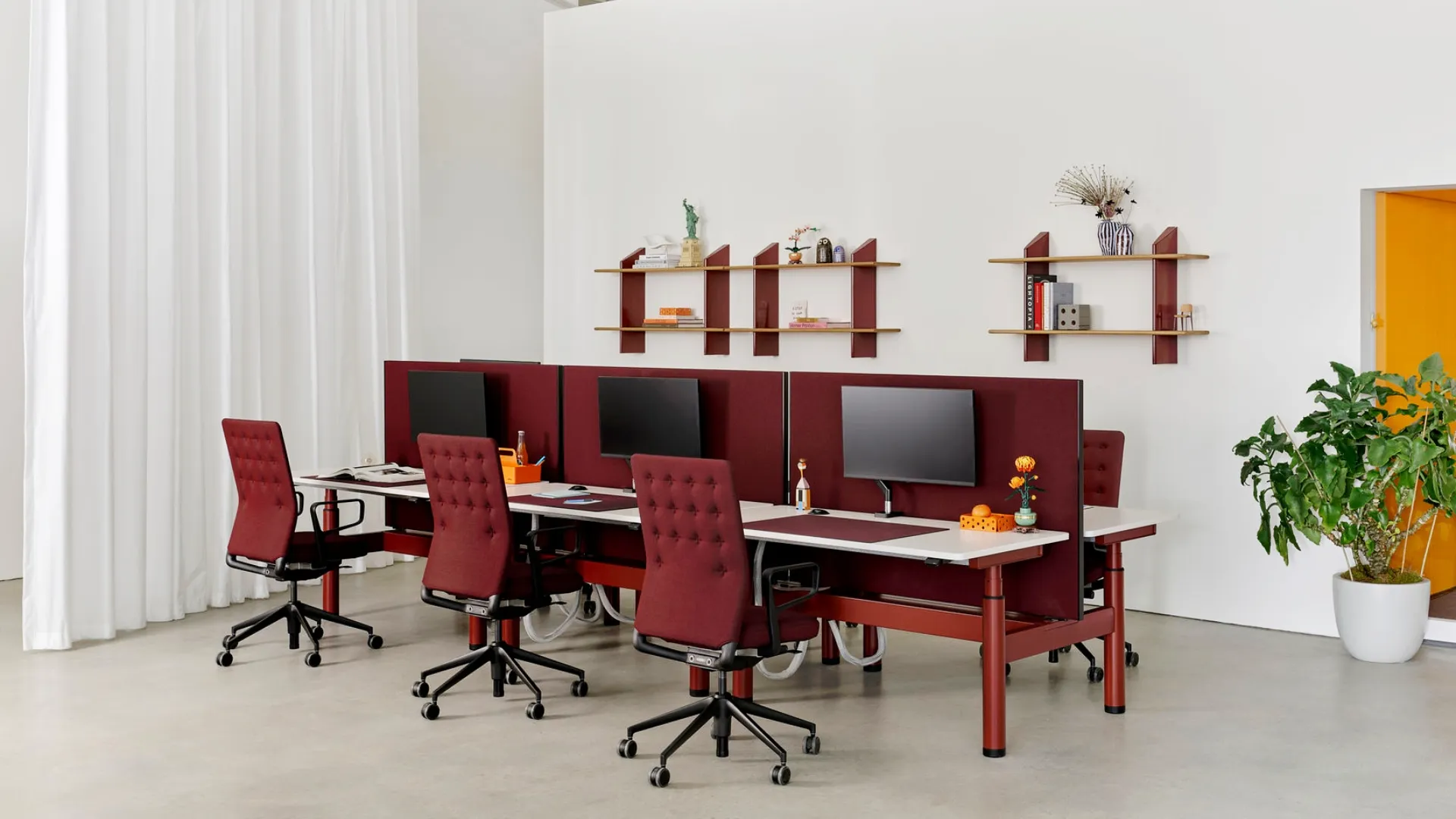
In furniture design, this sense of welcome is built through three layers: a neutral foundation, which ensures sophistication and timelessness; accents of color, which reinforce the brand and add personality; and textures, such as fabrics, upholstery, and matte finishes, which make the space more comfortable and inviting.
Well-Being: Technical data behind color choices
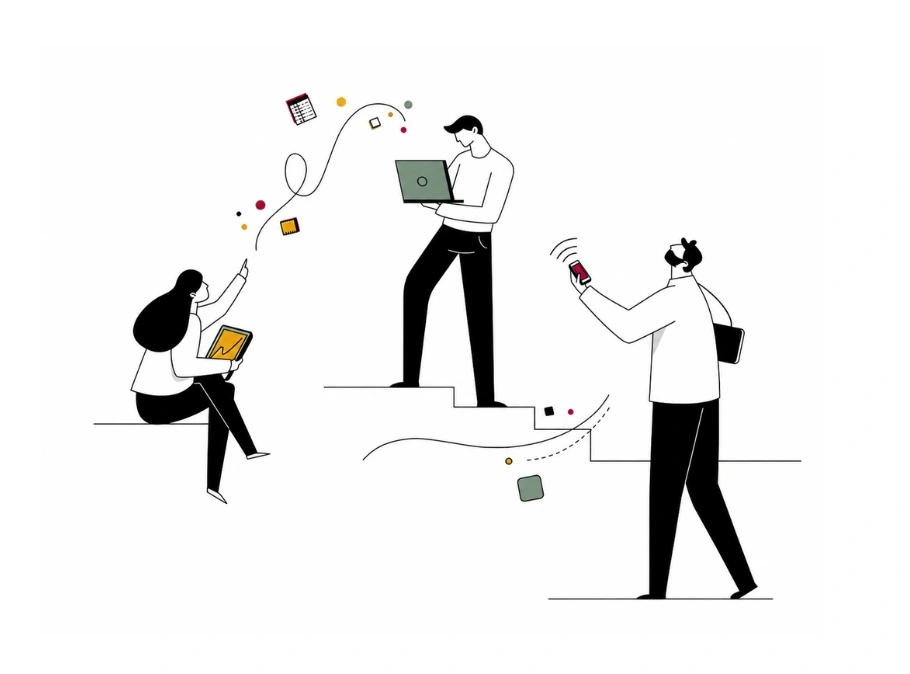
The relationship between the workplace environment and well-being is supported by international studies. The Human Spaces report, a leading reference on biophilic design in the workplace, indicates that professionals working in environments with natural elements experience up to 15% greater well-being, 6% higher productivity, and 15% more creativity. The study also highlights cultural differences: in India, red was associated with creativity, while in Brazil, water features stood out in relation to productivity. This reinforces the importance of considering cultural context when developing effective color palettes.
These findings directly influence furniture choices. Wood finishes, natural fabrics, matte surfaces, organic textures, and earthy tones can help incorporate a biophilic experience, even in spaces with limited greenery.
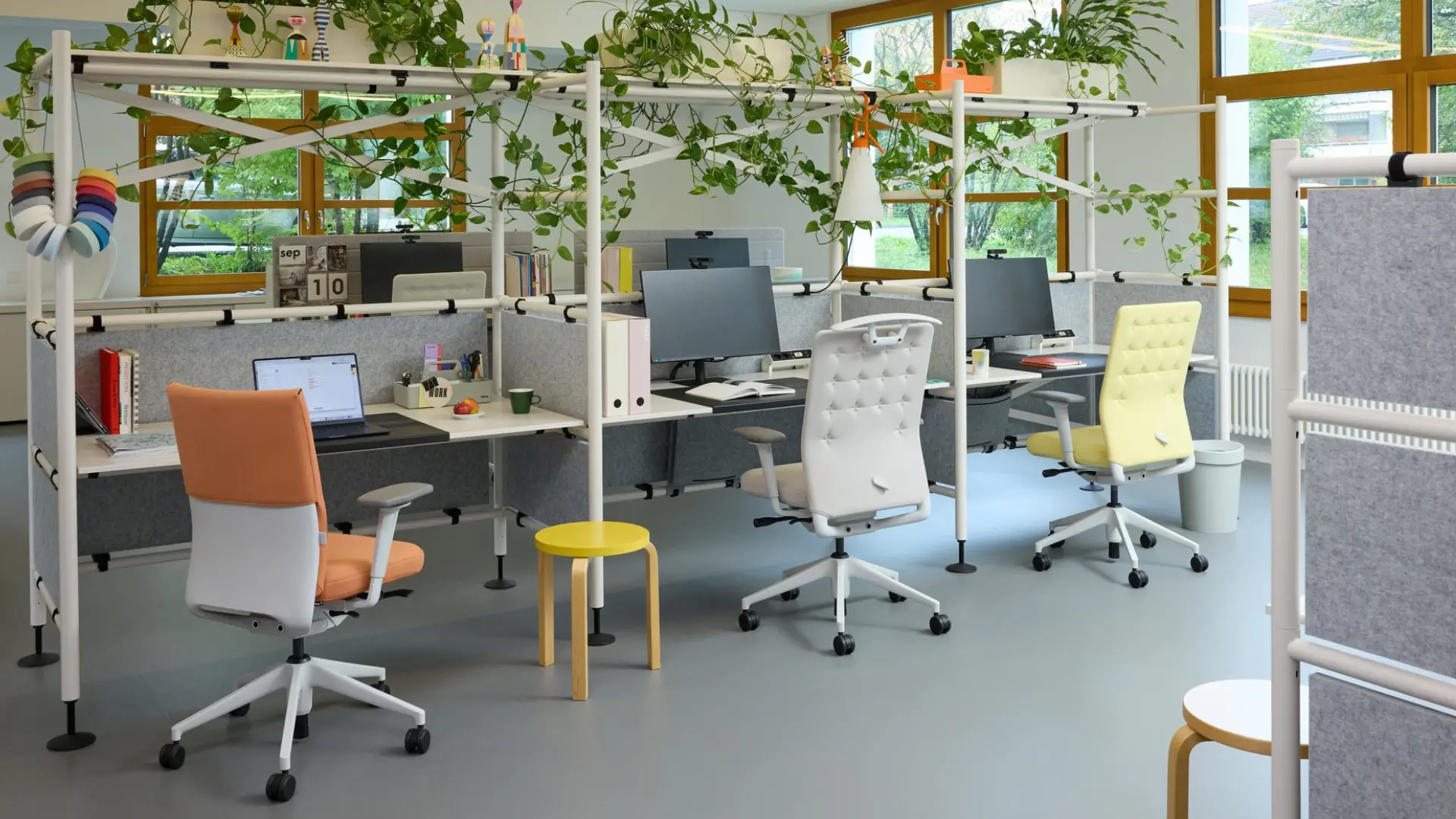
When defining a color palette, each environment requires a specific strategy. Focus areas benefit from neutral and cool, low-saturation tones. Collaborative spaces can incorporate warm or vibrant colors as targeted accents. Social and breakout areas call for earthy tones and soft textures, while reception and customer-facing areas should apply brand colors consistently to reinforce corporate identity.
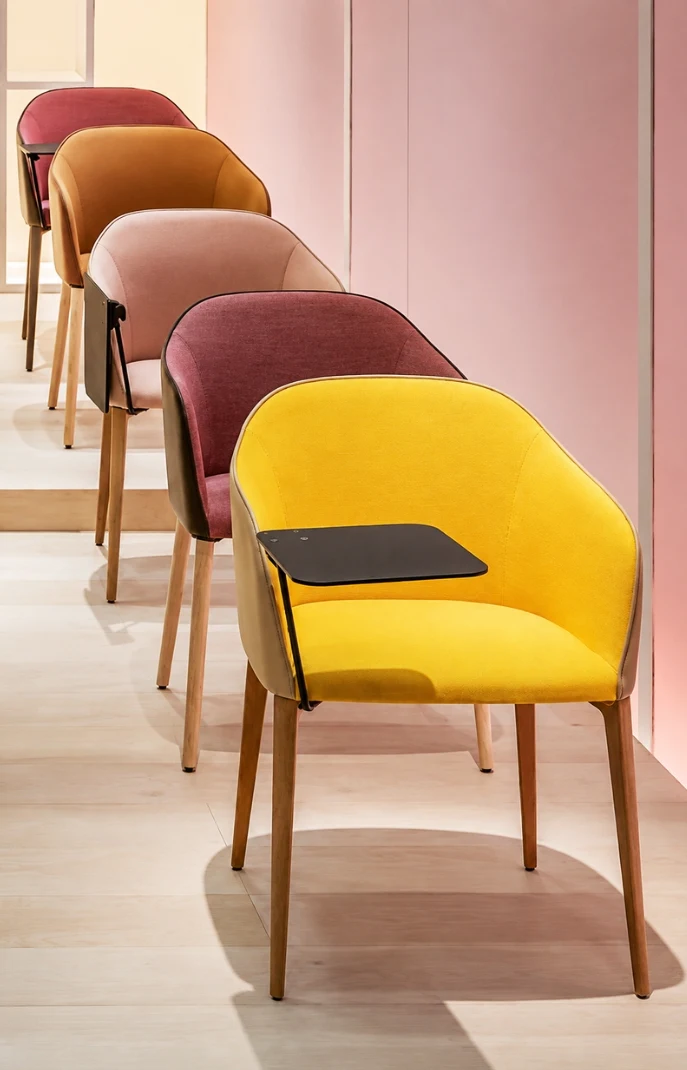
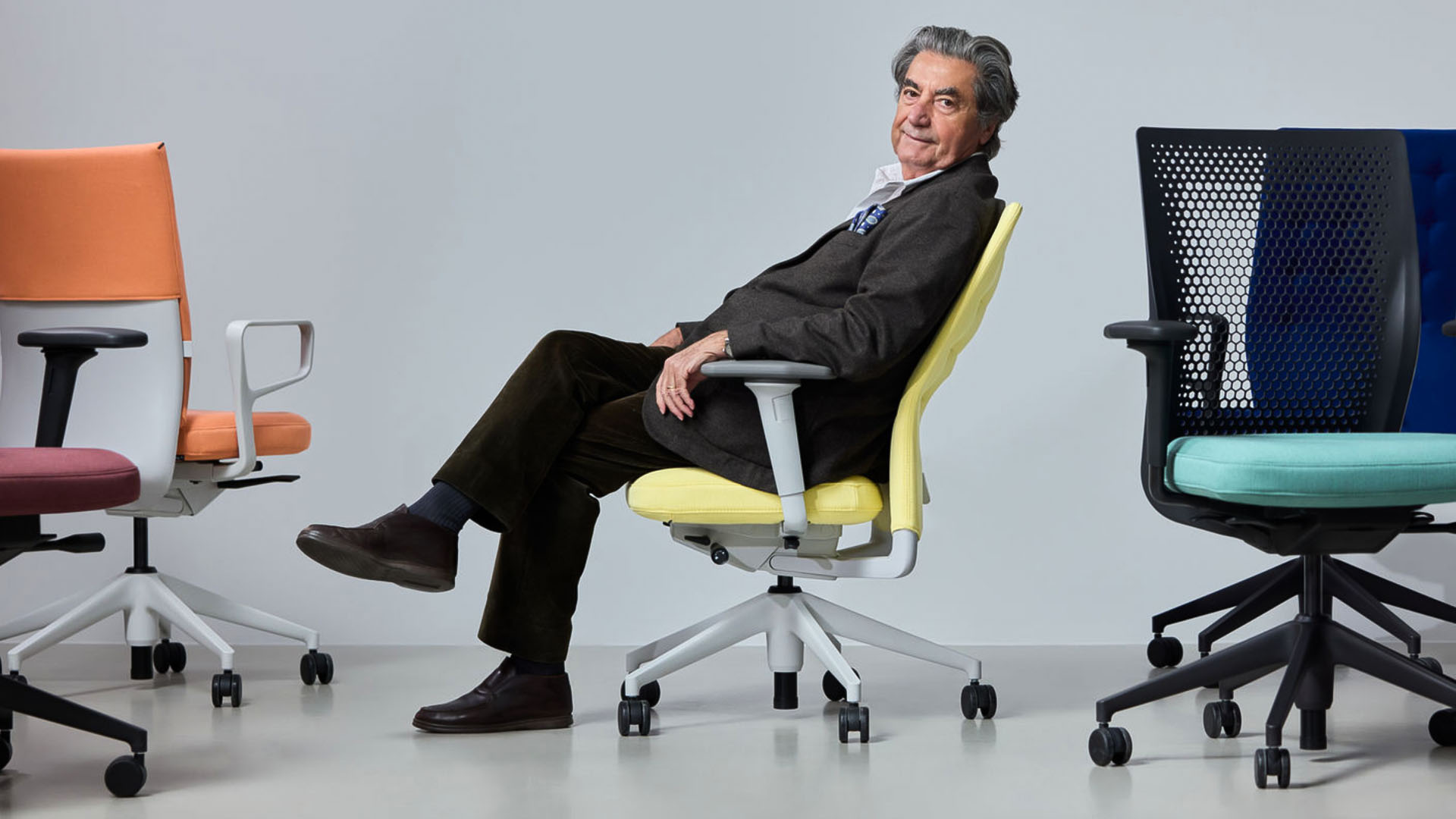
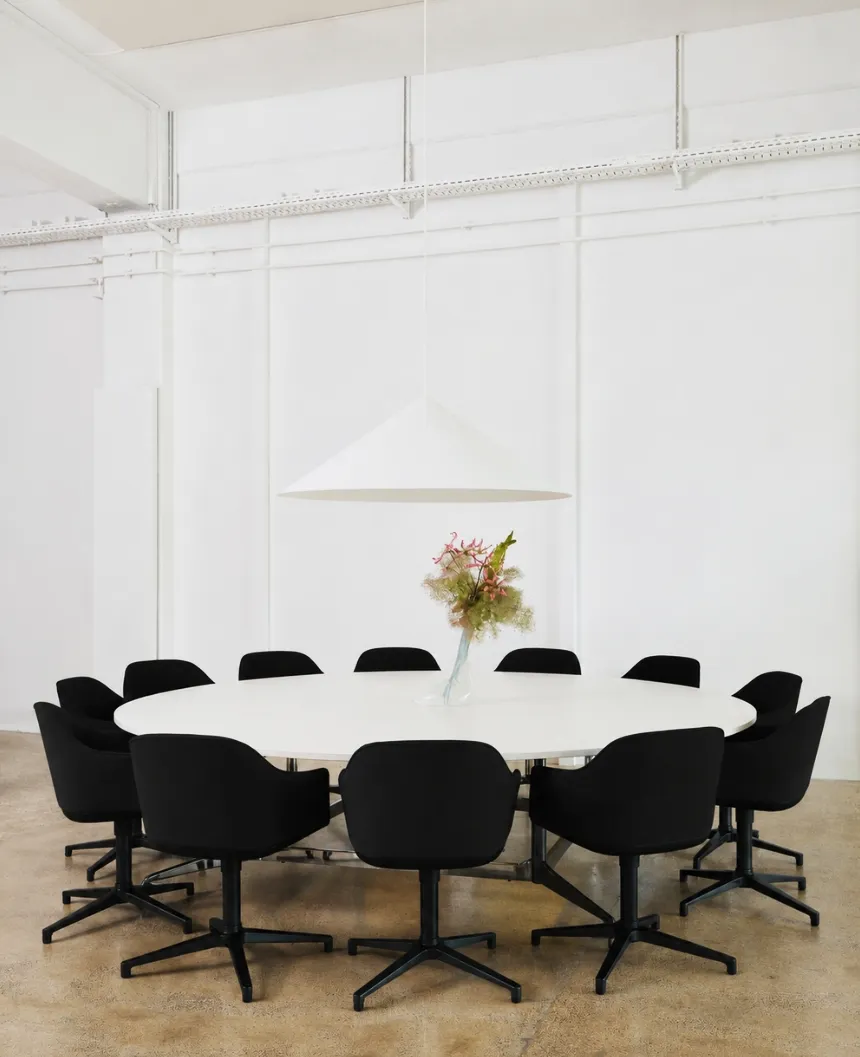
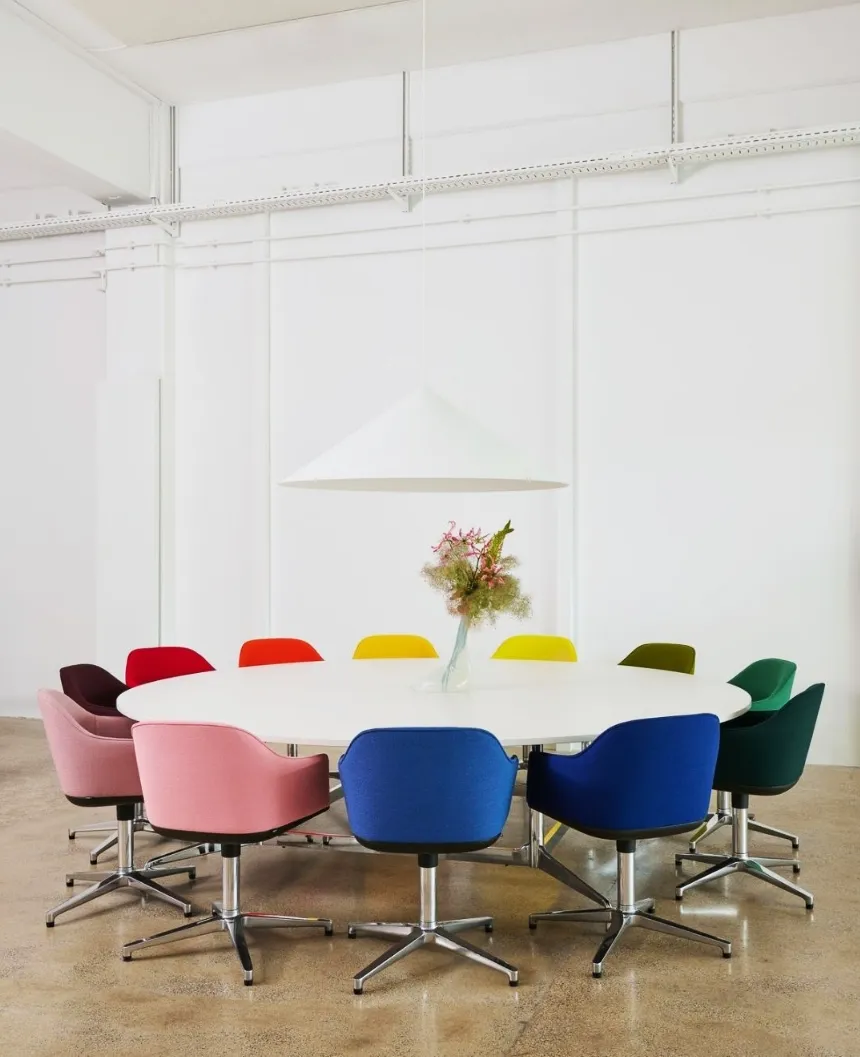
Same design, different feelings
Flexibility: Workspaces designed to evolve
In addition to strengthening brand identity, corporate furniture must keep pace with the company’s transformation over time. Hybrid layouts, growing teams, and new ways of working require flexible solutions that can adapt without compromising the aesthetics or functionality of the space. In this context, neutral palettes combined with color accents allow the office to be updated gradually, reducing the need to replace all the furniture and extending the project’s lifecycle.
In addition to reducing renovation and update costs, this approach preserves the company’s visual identity and facilitates future office expansions or reconfigurations.
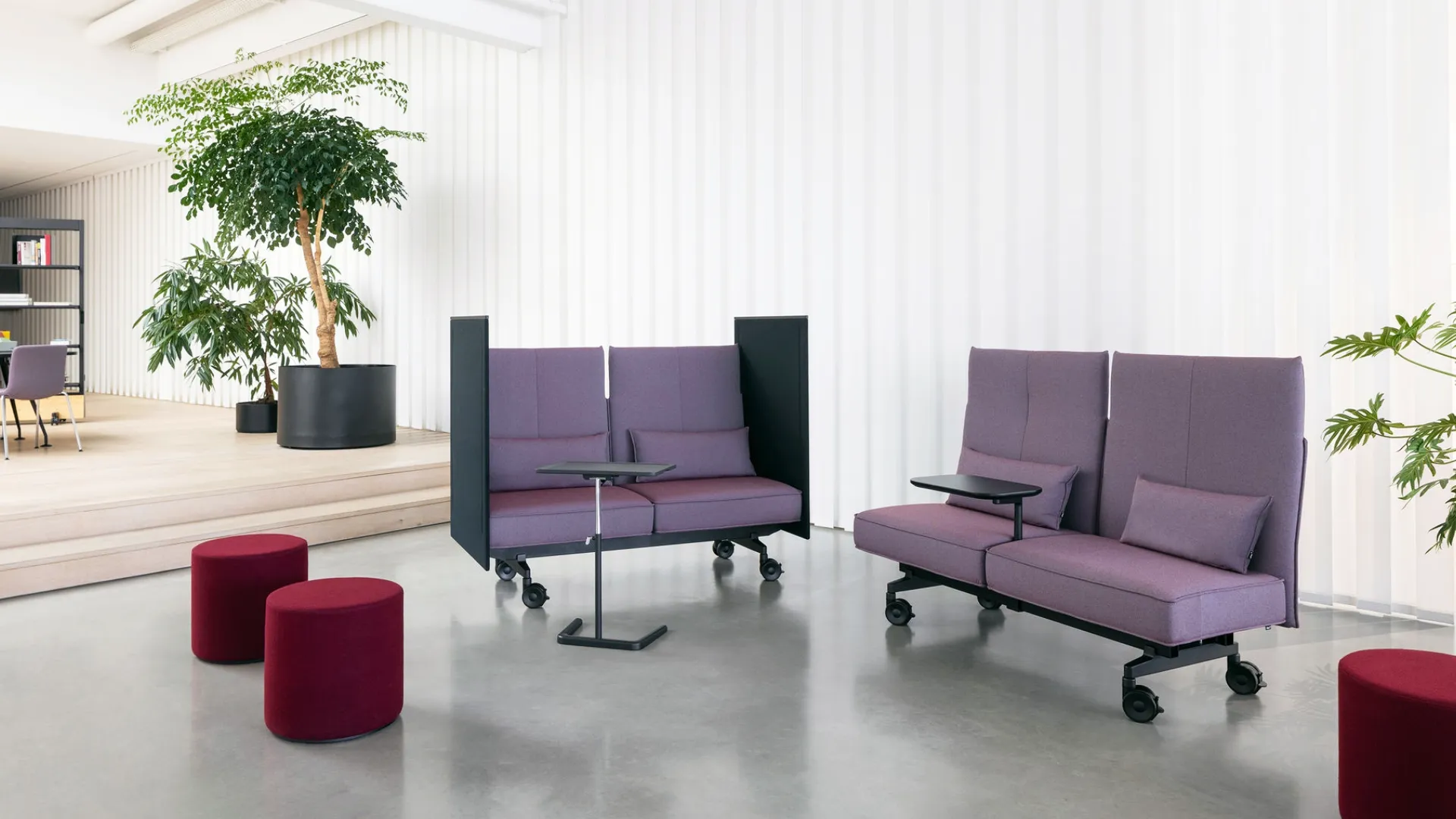
Color Zoning: Wayfinding without signage
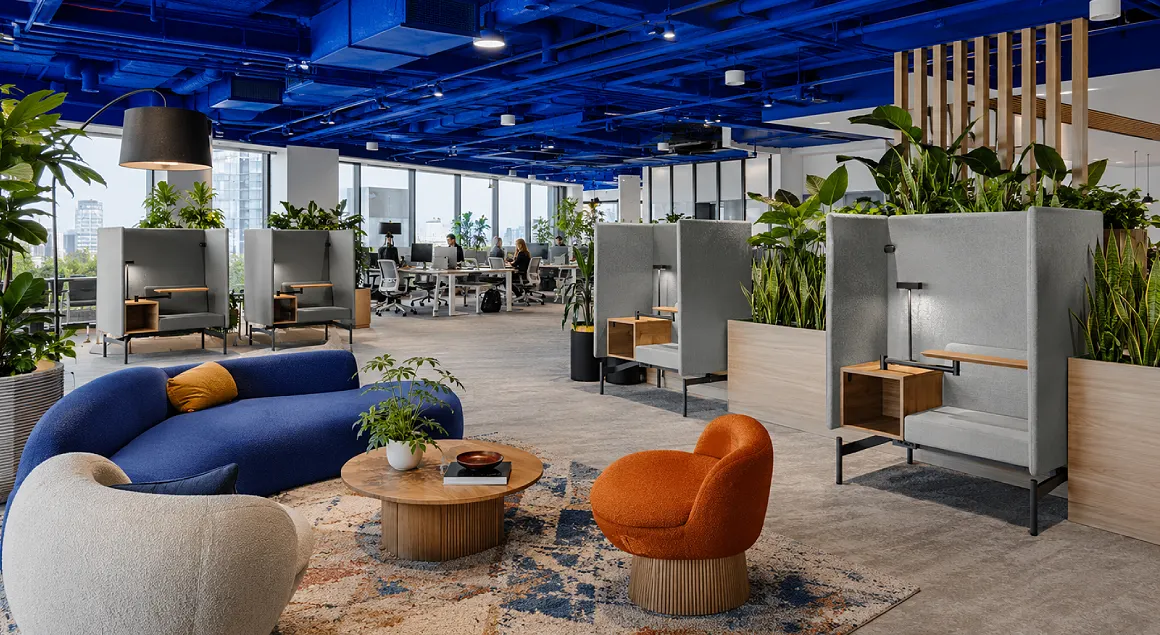
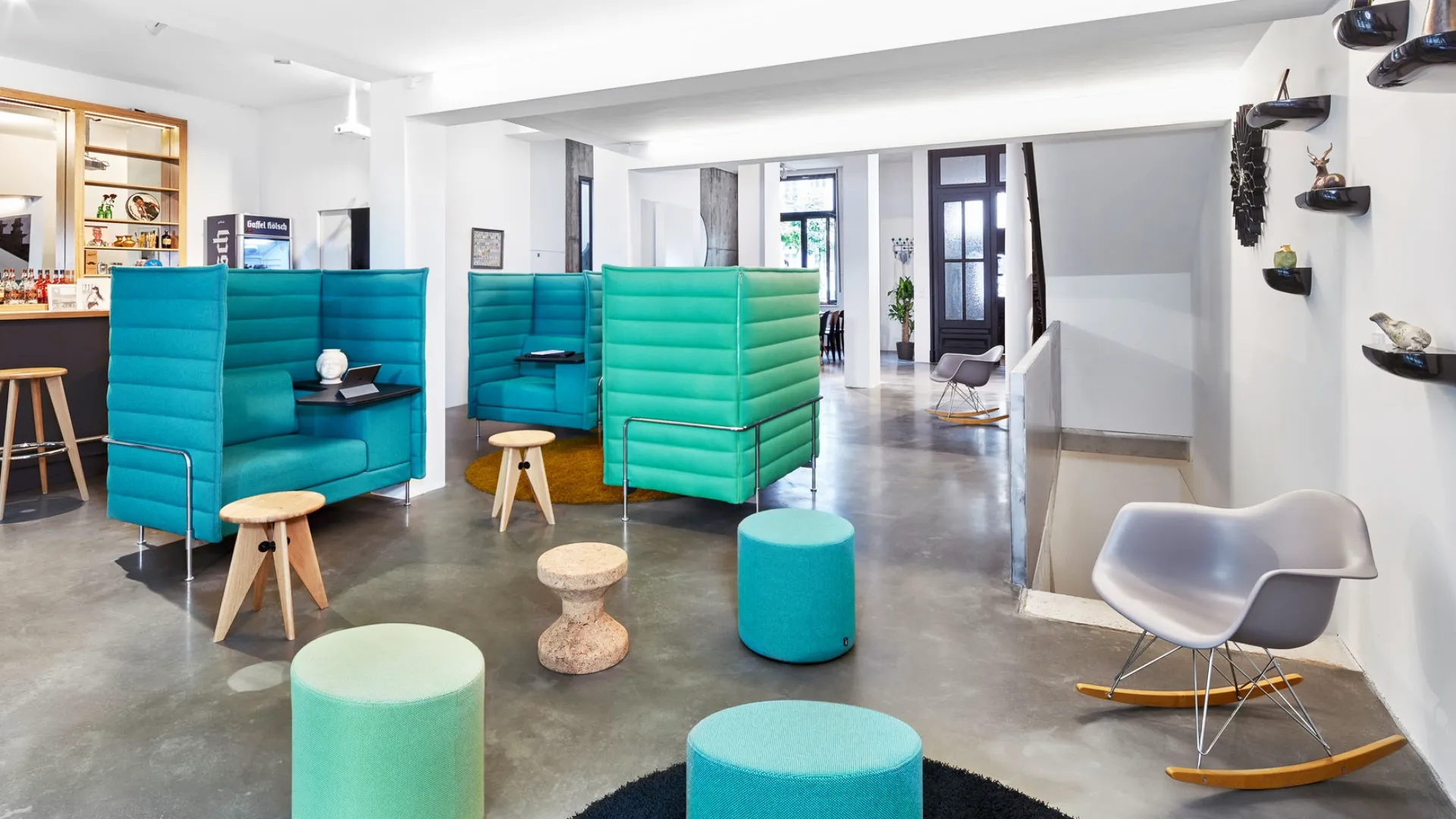
The strategic use of color also plays an important role in helping people navigate the workplace. In open-plan offices or spaces with multiple functional areas, different tones applied to furniture can help identify areas for focused work, collaboration, customer service, meetings, social interaction, or support activities, reducing reliance on conventional signage.
In addition to facilitating circulation and making the space more intuitive to navigate, this strategy reinforces the visual identity of each area and contributes to a more seamless experience for employees and visitors.
Durability and Sustainability: choices that remain relevant
Sustainability is also shaped by furniture choices. Durable materials, resistant finishes, and modular solutions reduce the need for frequent replacements, extend product lifecycles, and minimize resource waste.
Similarly, timeless color palettes allow for targeted updates over the years, preserving the company’s visual identity without requiring complete renovations. More than an environmental consideration, this is a strategic decision that combines operational efficiency, cost savings, and corporate responsibility.
This approach contributes to more resilient projects, aligned with ESG practices and the growing demand for more sustainable corporate environments.
When strategically planned, corporate furniture goes beyond being a functional element to become an asset that strengthens institutional identity, promotes well-being, and enhances the experience of those who use the space every day. Integrated with ergonomics, lighting, materials, and layout, it helps create more welcoming and productive environments that are aligned with the organization’s culture, transforming the workplace into a space that fosters connection, performance, and perceived value for employees, clients, and partners.
More than simply following trends, investing in thoughtfully planned furniture solutions is a way to create environments designed to evolve alongside both people and the business itself.
Colors to inspire you: