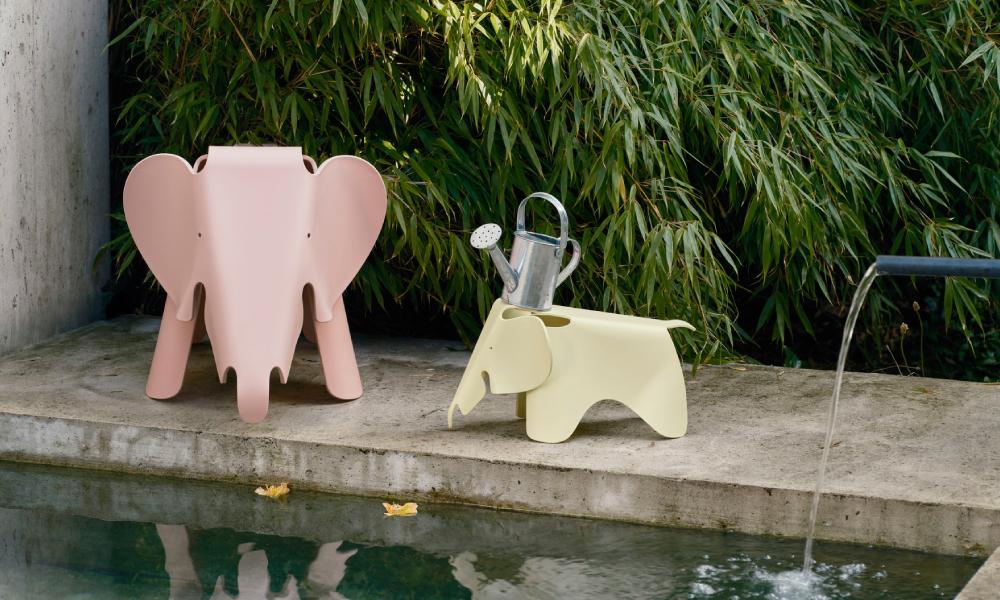
When developing their iconic molded plywood chairs, Charles and Ray Eames went beyond furniture. They explored the limits of bent wood in smaller, more playful forms, which led in 1945 to one of the most emblematic pieces of modern design: the Molded Plywood Elephant.
Originally created as a technical and formal experiment, the elephant became an affectionate object within the Eames family and was kept by Charles’s daughter, Lucia. Today, the original piece is part of the Eames Collection, curated by the Eames Institute of Infinite Curiosity, led by Llisa Demetrios, the couple’s granddaughter.
From play to innovation
As a child, Llisa played with the elephant without realizing its historical significance. Over time, she began to see it as part of a series of experiments that helped transform twentieth-century design. For Charles and Ray, every attempt was a learning process, and the act of making directly influenced the final form of their objects.
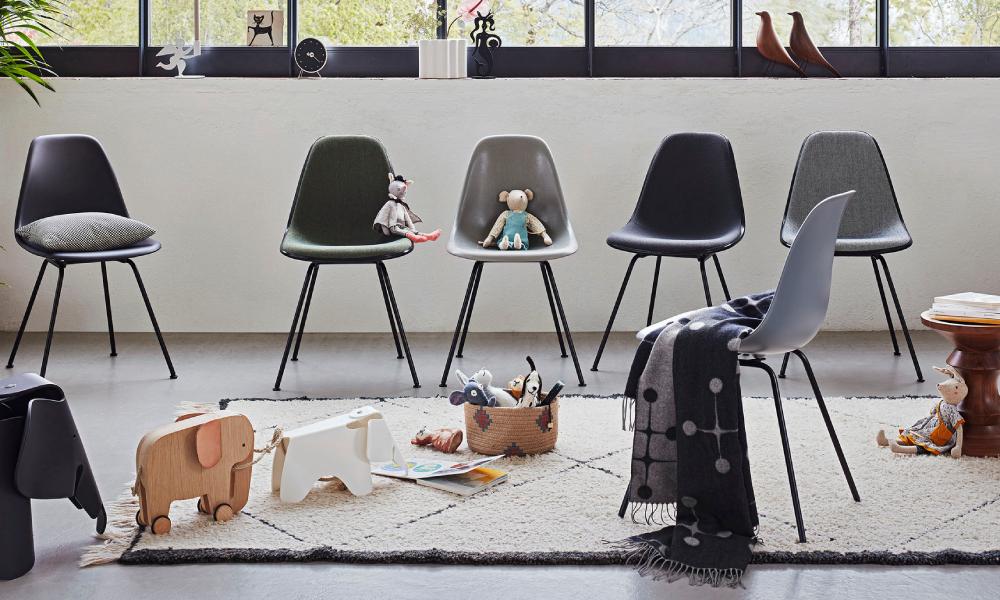
Their studies with molded plywood resulted not only in furniture but also in medical splints, screens, technical components, and toys. In the Eames studio, the elephant shared space with chairs such as the DCW, demonstrating the versatility of the technique.
An emotional icon of design
At the Eames Institute, the elephant holds a special place and is often a highlight during guided tours. Its organic presence and complex curves continue to draw attention, while time has given the wood an even warmer and more refined tone.
For decades, the piece remained unique due to the complexity of its production. Only in 2007, during the centennial of Charles Eames’s birth, was Vitra able to make its serial production possible, while preserving the essence of the original design.
The legacy of play
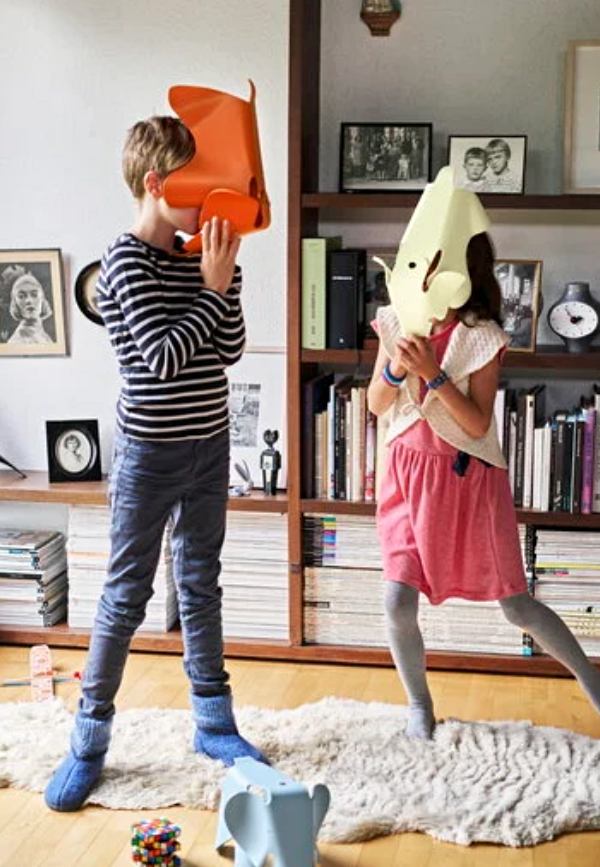
For Charles and Ray, toys were tools for learning and inspiration. They believed that play revealed deep ideas about form, function, and experience. As Charles Eames once said:
“Toys are not as innocent as they seem. Toys and games are the preludes to serious ideas.”
Today, the Eames Elephant continues to enchant generations, appearing in museums, collections, and contemporary spaces. More than a playful object, it symbolizes the union between technique and imagination — a legacy that continues to live on in design.