Imagining a scenario of complete relaxation, it is very likely that the first image that comes to our mind is a place surrounded by nature, something close to a forest, mountains, sea or meadow. We can hardly imagine an office or a shopping mall as a source of comfort and relaxation.
Even so, most people spend almost 80-90% of their time inside buildings. Architects and designers are now looking for solutions that will resonate well into the future, turning to ‘biophilia’ as an important source of inspiration that promotes well-being, health and emotional comfort.
Already in the first civilizations, nature has served humanity as a natural habitat, providing shelter, food and medicine. Quickly, in modern times, the industrial and technological revolution took over the landscape, restructuring the way humans interact with nature. The term ‘biophilia‘ is translated as ‘love of living things‘ in ancient Greek (philia = love to / inclination to).
Although the term seems relatively new and is becoming a gradual trend in the fields of architecture and interior design, biophilia was first used by psychologist Erich Fromm in 1964 and later popularized in the 1980s by biologist Edward O. Wilson, detecting how urbanization began to promote a strong disconnection with nature.
The principle behind biophilia is quite simple: connecting humans with nature to improve well-being. How can architects achieve this connection?
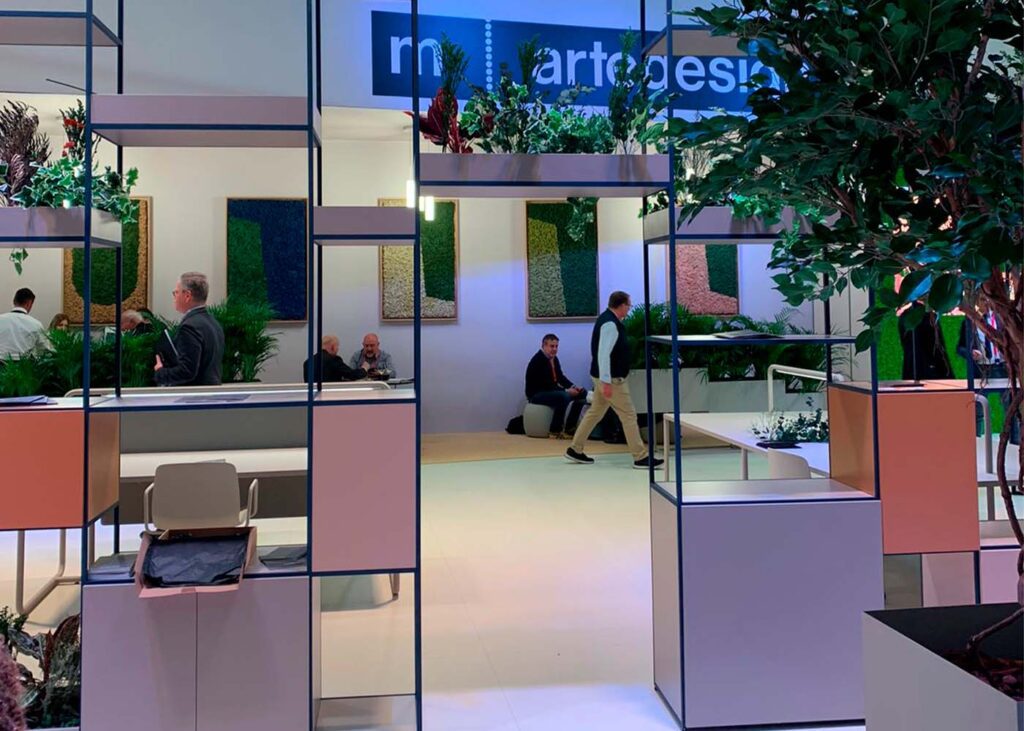
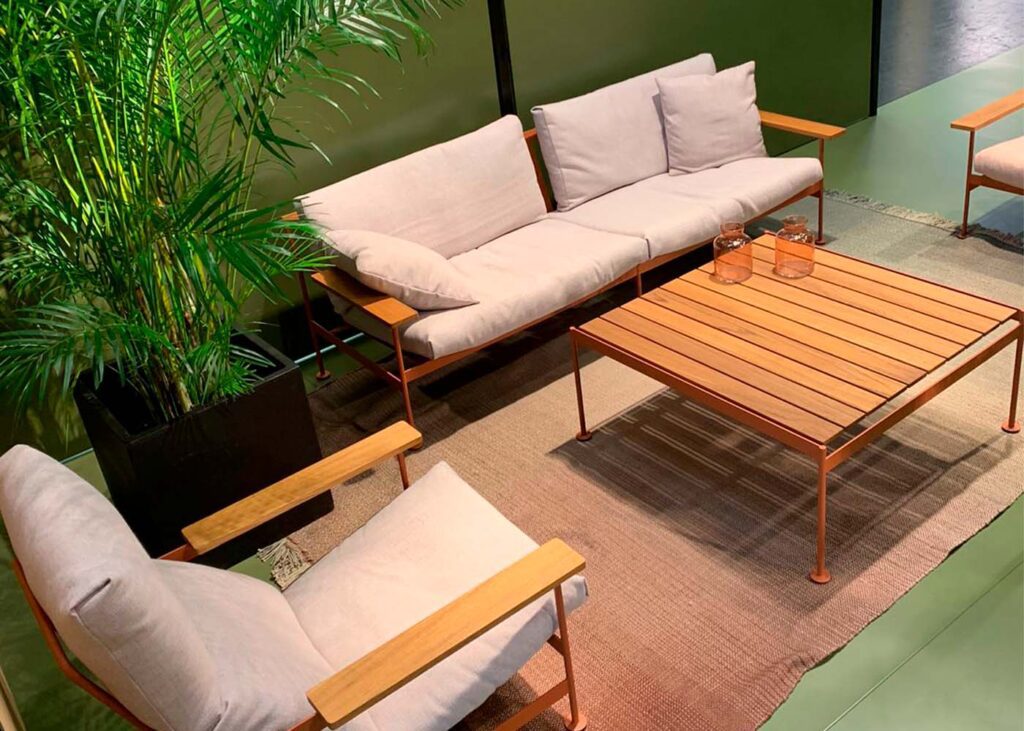
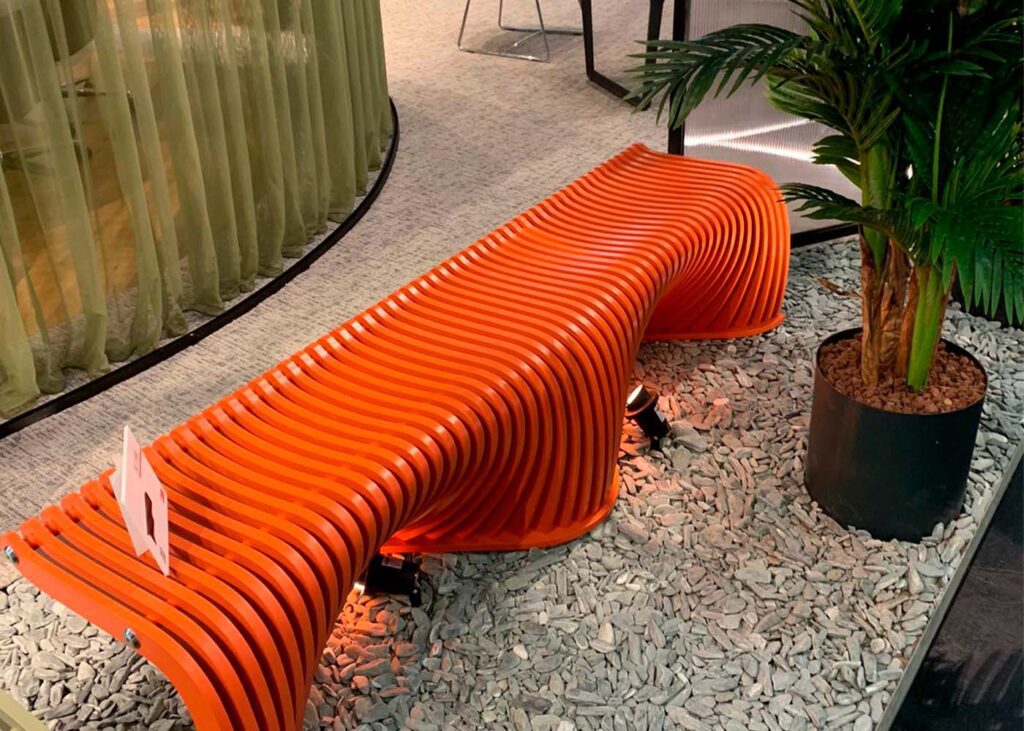
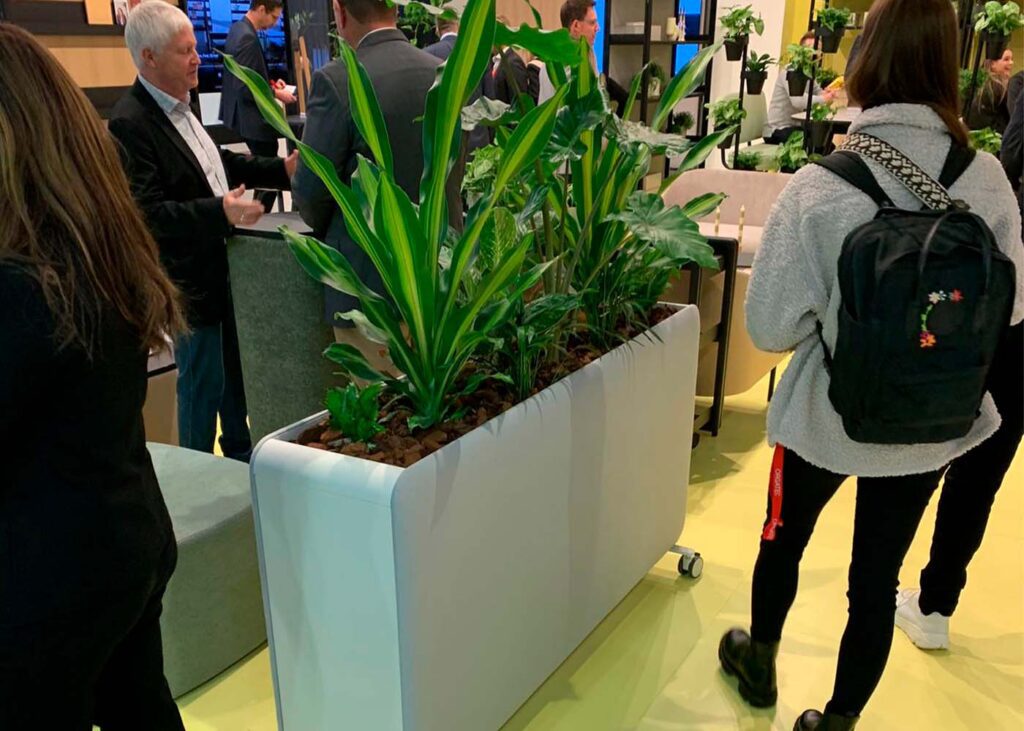
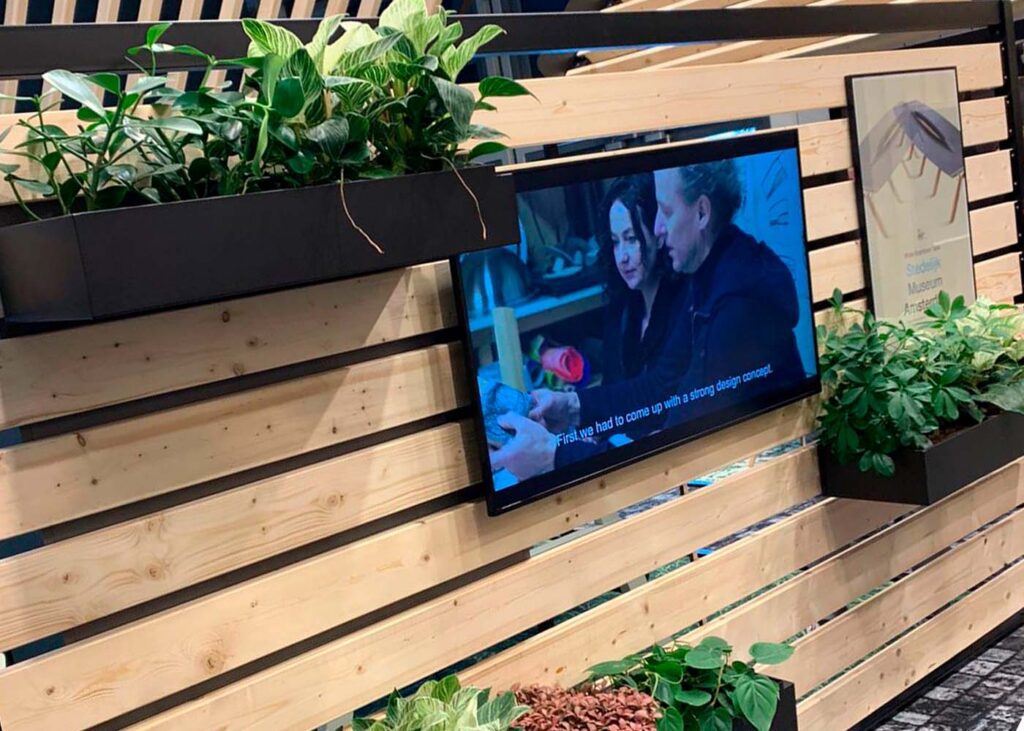
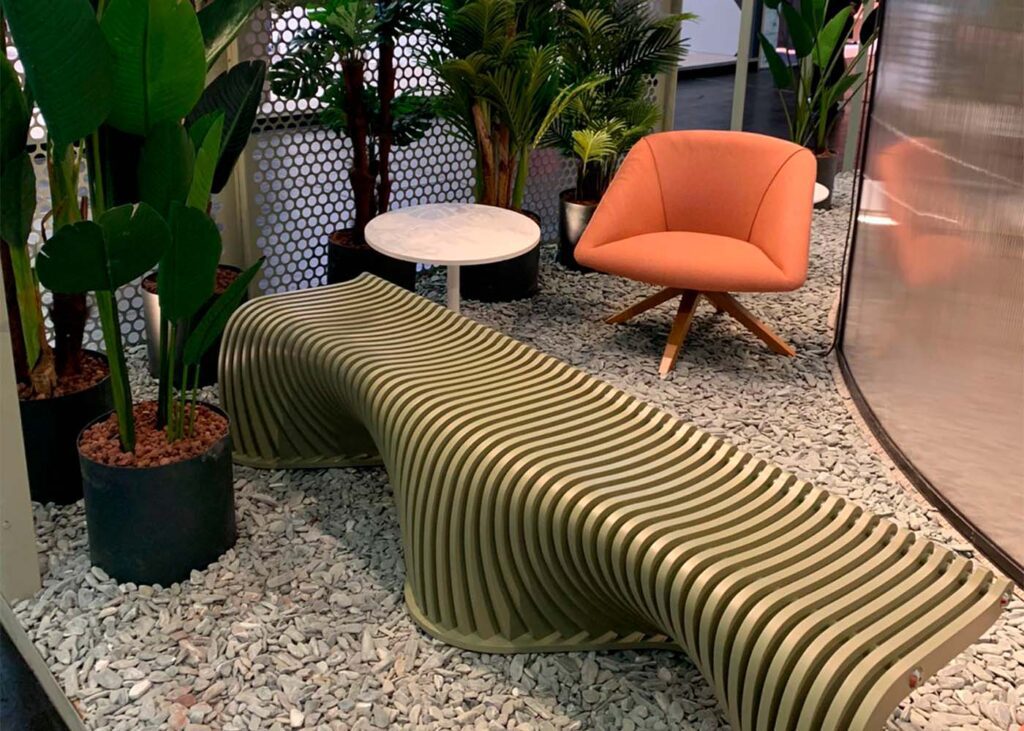
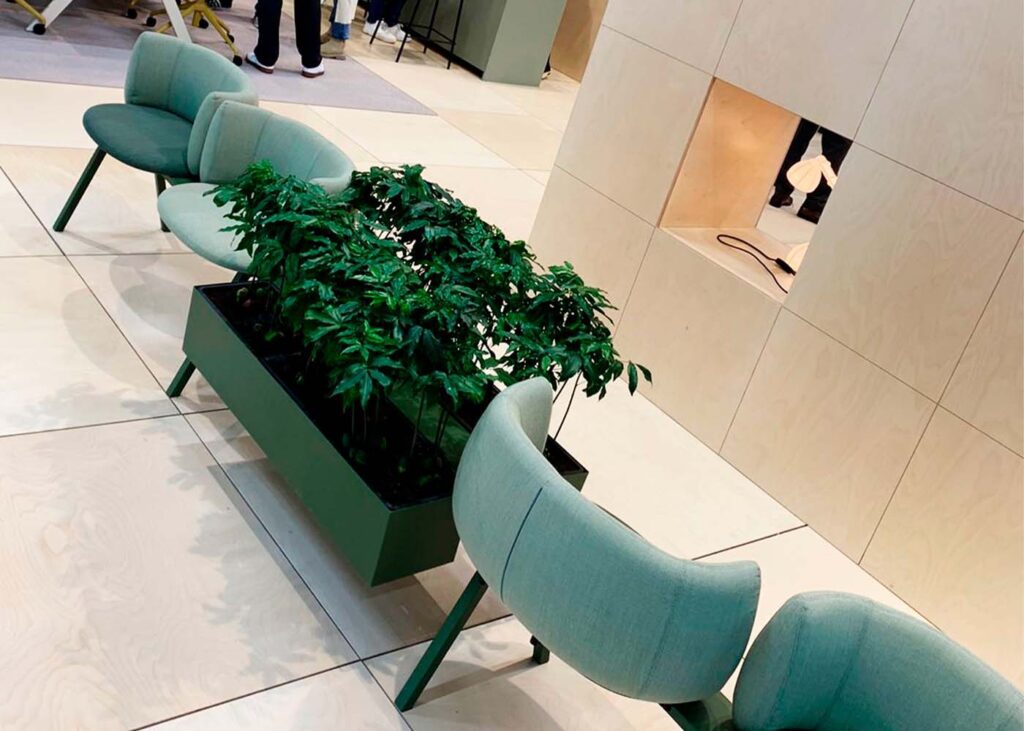
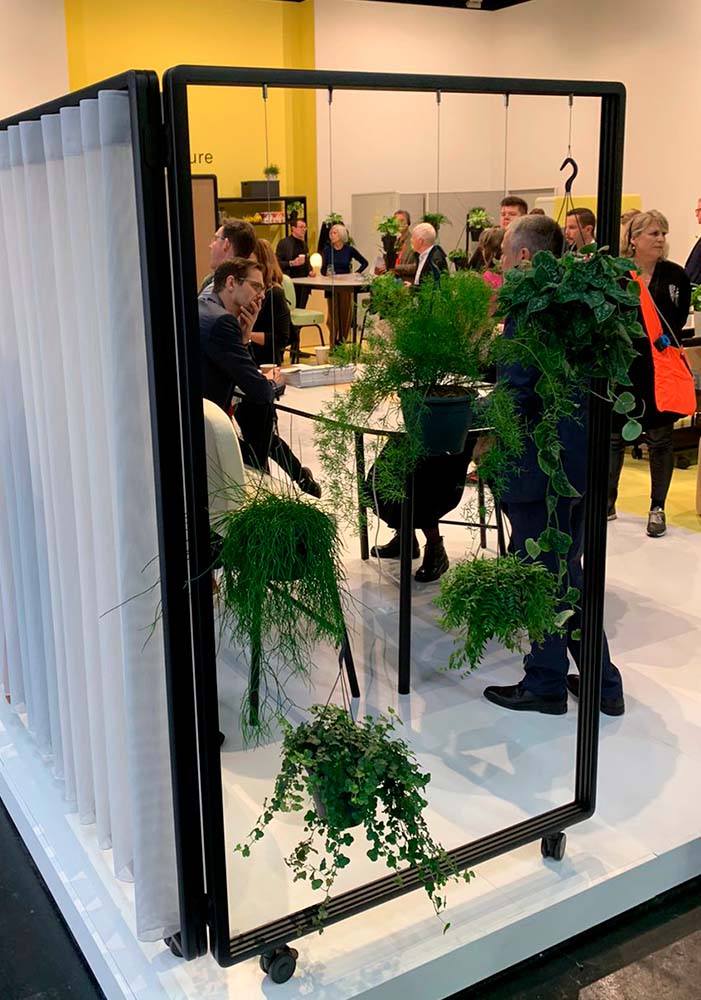
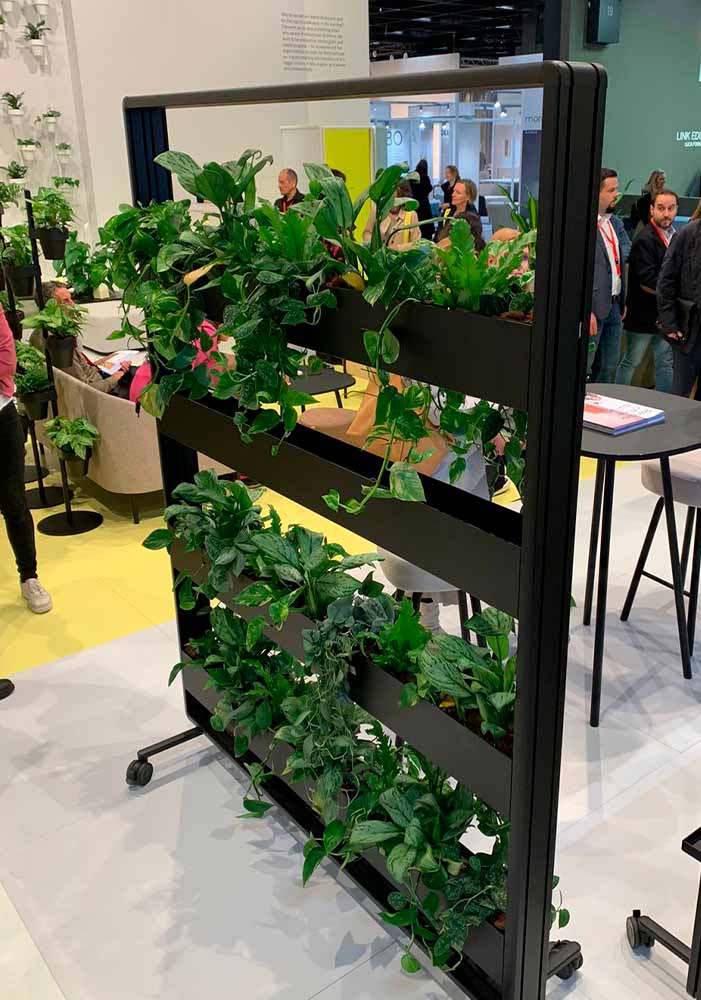
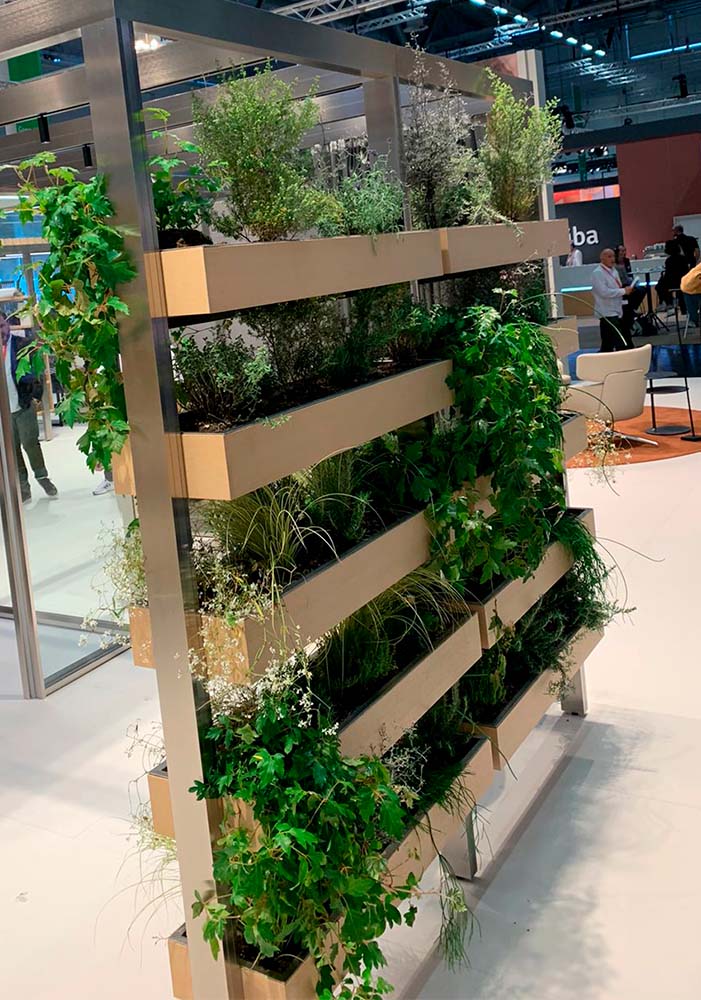
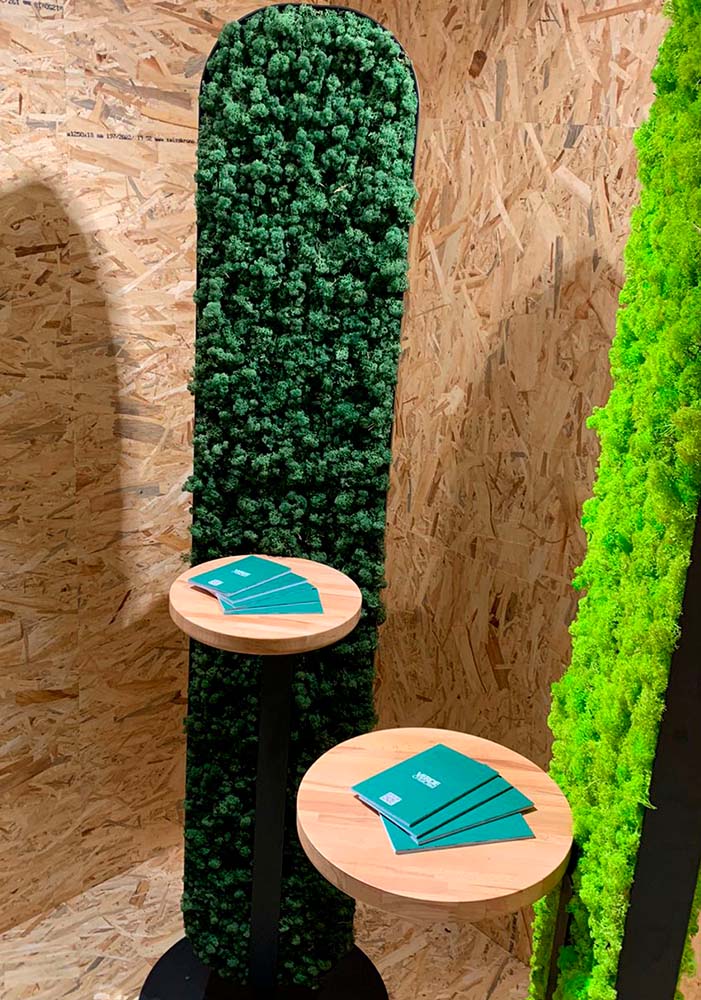
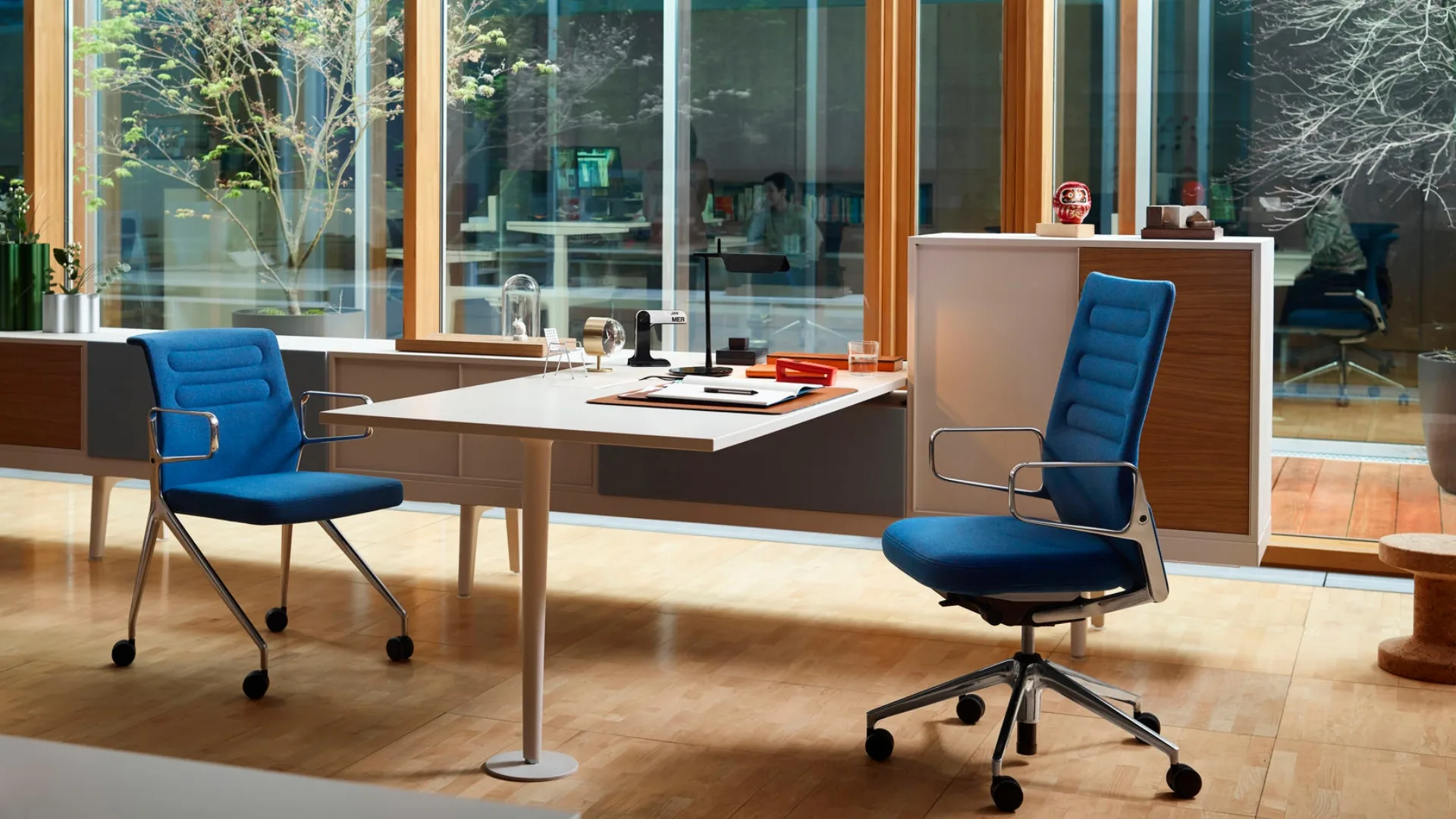
We will show here what we saw at @Orgatec (the world’s leading fair for the furniture and seating sector) in Cologne – Germany, which are examples of how to incorporate features of the natural world into built spaces, such as water, vegetation, natural light and elements like wood and stone, mostly exposed.