Private spaces are strategic assets in corporate workplace planning, as they balance privacy, focus, acoustic comfort, and well-being within increasingly flexible work environments.
As workplace models continue to evolve and more dynamic environments become the norm, offices must accommodate a wide range of daily activities. Not every task is well suited to open-plan areas. Phone calls, one-on-one meetings, focused work, confidential conversations, and restorative breaks all require spaces with greater environmental control and minimal external distractions.
The Role of Private Spaces
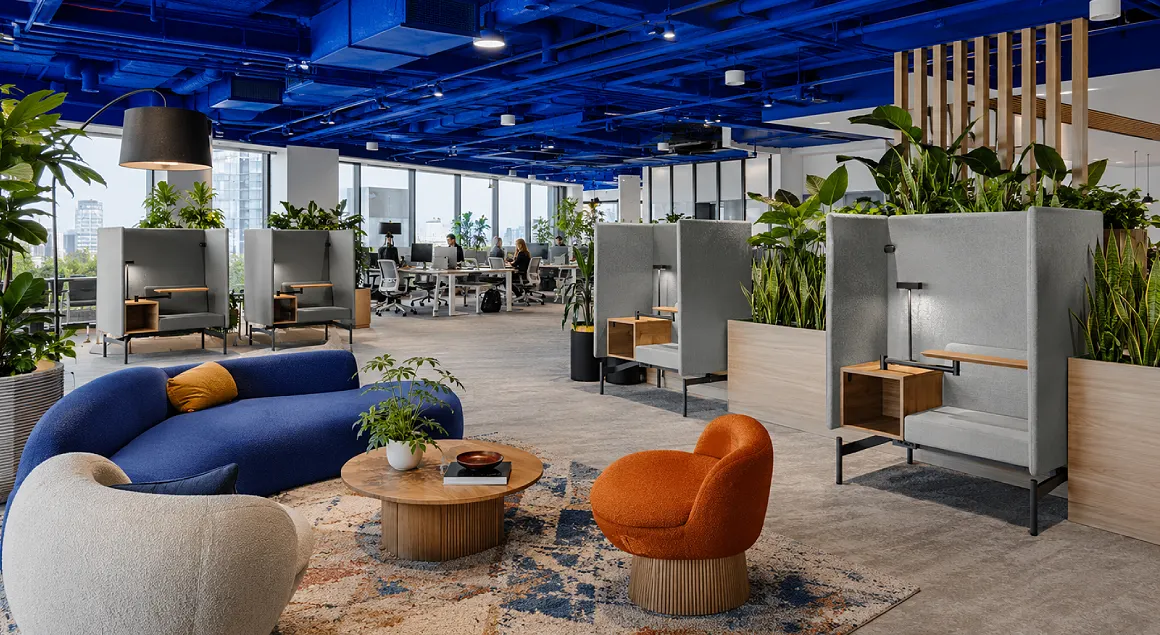
Private spaces serve as support areas within the office, providing protected environments for specific activities. They can take various forms, including acoustic pods, enclosed meeting rooms, focus rooms, consultation rooms, wellness or relaxation spaces, and individual work booths.
Acoustic Comfort and Privacy
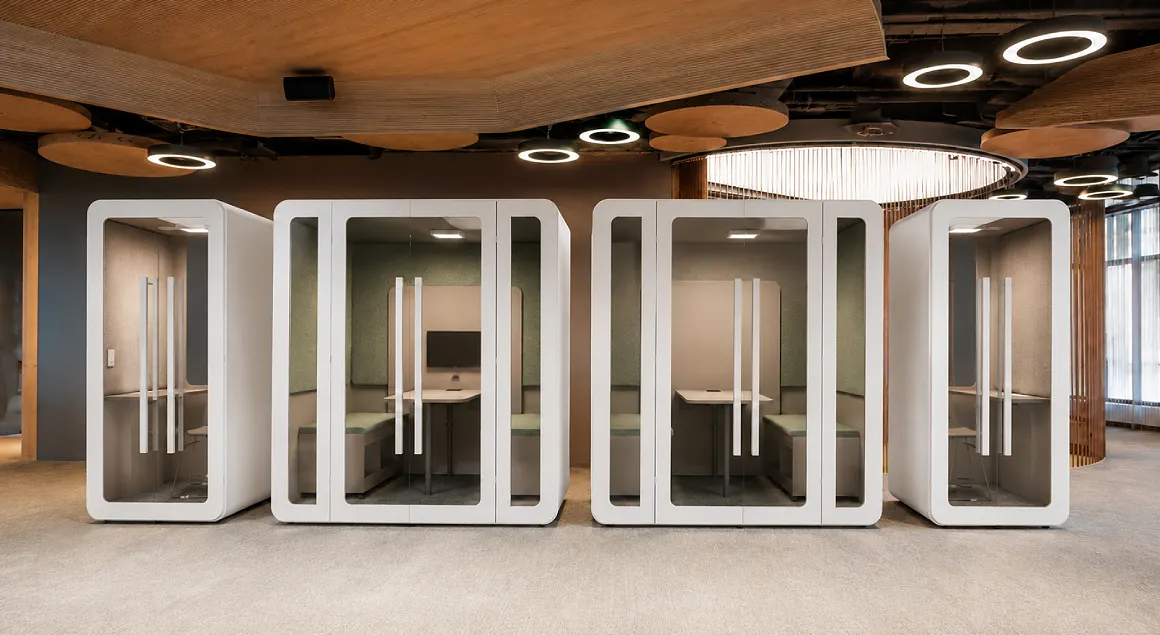
One of the primary benefits of these environments is the reduction of noise and interruptions. The use of appropriate enclosures, acoustic panels, treated glass, wall coverings, and well-designed furniture helps improve both acoustic and visual privacy. This enhances the confidentiality of conversations while providing a more comfortable and productive user experience.
Productivity and Focus
By providing dedicated spaces for tasks that require concentration, the workplace minimizes distractions and enhances team performance. These environments allow employees to choose the setting that best suits the task at hand, making daily workflows more efficient and functional.
Well-Being and Psychological Safety
Beyond improving performance, private spaces also support mental well-being. These areas can be used for breaks, moments of reflection, relaxation practices, or situations that require privacy, discretion, and emotional support. This reinforces a more human-centered workplace culture that recognizes and responds to individual needs.
Flexibility in Corporate Workplace Design
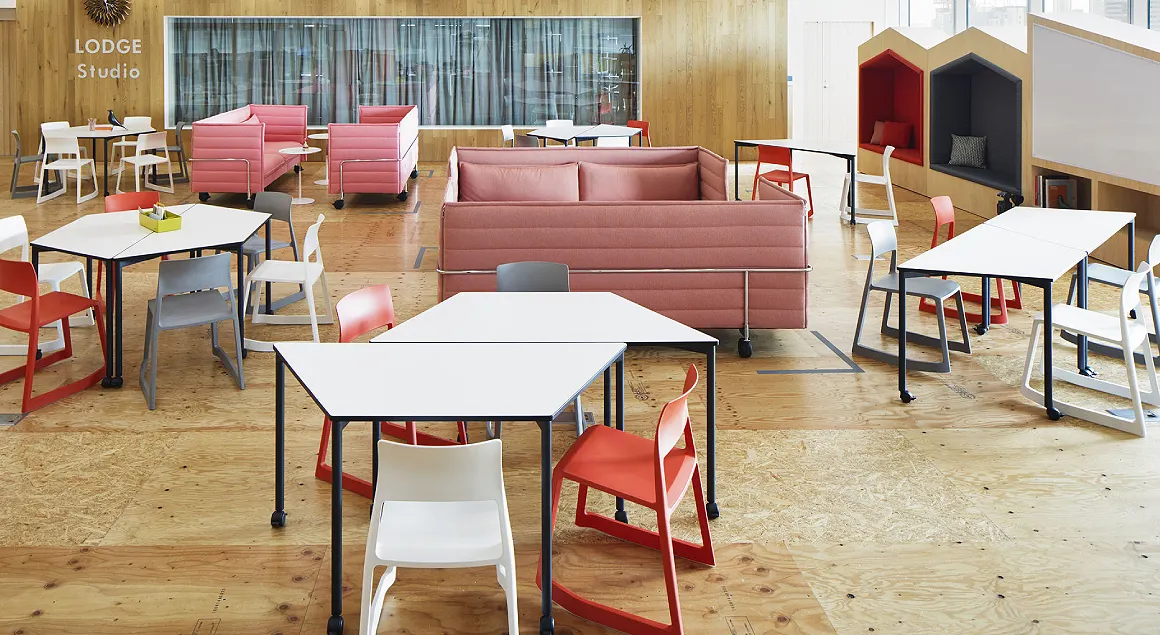
When strategically integrated into the workplace layout, these environments enhance the office’s adaptability. They complement collaborative areas, workstations, and meeting rooms, creating a more balanced ecosystem that supports collaboration, focus, and privacy.
Furniture is no longer limited to an aesthetic role. Today, it serves as a strategic element in workplace planning, helping create more efficient environments without requiring major architectural modifications.
Acoustic pods, high-back privacy sofas, acoustic partitions, and modular solutions provide the flexibility needed to support business growth and adapt to evolving ways of working.
A Workplace That Puts People First
Organizations that invest in environments designed to accommodate different work styles demonstrate a genuine commitment to the employee experience. By balancing collaboration, concentration, and comfort, the workplace supports not only productivity but also stronger relationships and greater well-being throughout the workday.